Meet Inspiring Speakers and Experts at our 3000+ Global Events with over 1000+ Conferences, 1000+ Symposiums and 1000+ Workshops on Medical, Pharma, Engineering, Science, Technology and Business.

Explore and learn more about Conference Series : World’s leading Event Organizer

Conference Series Conferences gaining more Readers and Visitors

Conference Series Web Metrics at a Glance

  • 3000+ Global Events
  • 100 Million+ Visitors
  • 75000+ Unique visitors per conference
  • 100000+ Page views for every individual conference

Unique Opportunity! Online visibility to the Speakers and Experts

Child Neurology 2026

Welcome Message

Dear Colleagues, Researchers, Clinicians, Academicians, and Distinguished Guests,

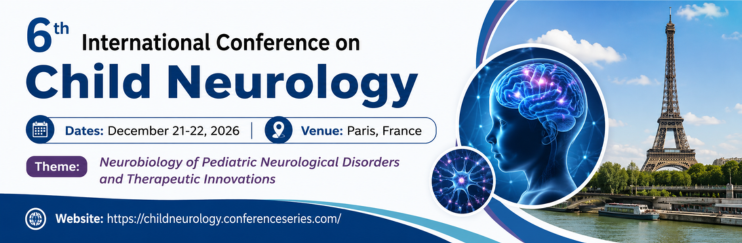
It is our great pleasure to welcome you to the 6th International Conference on Child Neurology, taking place on December 21–22, 2026, in Paris, France. This prestigious gathering brings together leading experts, healthcare professionals, researchers, educators, and industry innovators from around the world to explore the latest advancements in child neurology.

Under the theme, “Neurobiology of Pediatric Neurological Disorders and Therapeutic Innovations,” the conference will serve as a dynamic platform for the exchange of knowledge, groundbreaking research findings, and innovative clinical practices. Participants will engage in insightful discussions on the neurobiological mechanisms underlying pediatric neurological disorders, emerging diagnostic approaches, novel therapeutic strategies, and future directions in child neurological care.

Throughout the conference, attendees will have the opportunity to participate in keynote lectures, scientific sessions, workshops, poster presentations, and networking events designed to foster collaboration and inspire new ideas. Together, we aim to advance our understanding of pediatric neurological conditions and improve outcomes for children worldwide.

We sincerely thank all speakers, delegates, sponsors, exhibitors, and organizing committee members for their valuable contributions and commitment to the success of this event.

We look forward to welcoming you to Paris for two days of scientific excellence, meaningful collaboration, and professional growth.

Warm Regards,
Organizing Committee
6th International Conference on Child Neurology
December 21–22, 2026 | Paris, France

About Child Neurology 2026

Welcome to the 6th International Conference on Child Neurology, scheduled for December 21–22, 2026, in Paris, France. This international gathering will bring together pediatric neurologists, neuroscientists, clinicians, researchers, healthcare professionals, educators, and industry experts to discuss the latest developments in child neurology and neuroscience.

The conference theme, “Neurobiology of Pediatric Neurological Disorders and Therapeutic Innovations,” highlights the growing importance of understanding the biological mechanisms underlying neurological conditions in children and translating scientific discoveries into effective treatments. The event will provide a multidisciplinary platform for sharing cutting-edge research, clinical experiences, technological advancements, and innovative therapeutic approaches aimed at improving the diagnosis, management, and quality of life of children with neurological disorders.

Child Neurology 2026 will feature keynote presentations, scientific sessions, workshops, panel discussions, poster presentations, and networking opportunities. Major topics will include neurodevelopmental disorders, epilepsy, pediatric stroke, neuromuscular diseases, neurogenetics, neuroimaging, neurorehabilitation, brain development, neuroinflammation, rare neurological disorders, and emerging therapeutic interventions.

The conference aims to foster collaboration among experts from academia, healthcare institutions, research organizations, and industry, encouraging the exchange of ideas and the development of innovative solutions to current challenges in pediatric neurology. By bringing together global leaders and young investigators, Child Neurology 2026 seeks to advance scientific knowledge, promote evidence-based clinical practice, and support the future of neurological care for children worldwide.

We look forward to welcoming participants from across the globe to Paris for an enriching and inspiring scientific experience dedicated to advancing child neurological health and therapeutic innovation.

Why to Attend Child Neurology 2026

The 6th International Conference on Child Neurology provides a unique opportunity for healthcare professionals, researchers, academicians, and industry experts to stay at the forefront of advancements in pediatric neurology. The conference offers a comprehensive platform to explore the latest scientific discoveries, clinical practices, and innovative therapeutic approaches shaping the future of child neurological care.

Attendees will gain valuable insights from internationally recognized experts through keynote lectures, interactive sessions, and panel discussions covering a wide range of topics, including neurodevelopmental disorders, epilepsy, neurogenetics, pediatric neuroimaging, neuromuscular diseases, and emerging treatments.

The conference also serves as an excellent networking venue, enabling participants to connect with leading researchers, clinicians, policymakers, and industry professionals from around the world. These interactions can foster new collaborations, research partnerships, and professional opportunities.

Researchers and young investigators will have the opportunity to present their work, receive constructive feedback from experts, and showcase their findings to a global audience. The event encourages interdisciplinary discussions that bridge the gap between basic neuroscience research and clinical practice.

By attending Child Neurology 2026, participants will:

• Learn about the latest breakthroughs in pediatric neurological research and clinical care.
• Explore innovative diagnostic tools and therapeutic strategies.
• Engage with world-renowned experts and thought leaders in child neurology.
• Present research findings and gain international recognition.
• Build professional networks and collaborative partnerships.
• Discover emerging technologies and industry developments.
• Enhance clinical knowledge and evidence-based practice.
• Contribute to discussions that shape the future of pediatric neurological healthcare.

Whether you are a clinician, researcher, academician, healthcare practitioner, student, or industry representative, Child Neurology 2026 offers an exceptional opportunity to expand your knowledge, exchange ideas, and contribute to improving neurological outcomes for children worldwide.

Target Audience

Child Neurology 2026 is designed to bring together a diverse group of professionals, researchers, and stakeholders involved in pediatric neurological health, neuroscience research, and therapeutic innovation. The conference provides an interdisciplinary platform for knowledge exchange, collaboration, and professional development.

The target audience includes:

• Pediatric Neurologists
• Child Neurologists and Neurophysicians
• Pediatricians and Developmental Pediatricians
• Neuroscientists and Neurobiologists
• Clinical Researchers and Research Scientists
• Neurogeneticists and Genetic Counselors
• Pediatric Neurosurgeons
• Epileptologists and Seizure Specialists
• Neuroimaging and Radiology Professionals
• Neurorehabilitation Specialists
• Neuromuscular Disease Experts
• Psychiatrists and Child Psychiatrists
• Clinical Psychologists and Neuropsychologists
• Occupational Therapists
• Physical Therapists and Rehabilitation Professionals
• Speech and Language Pathologists
• Nursing Professionals and Pediatric Nurse Practitioners
• Healthcare Providers and Allied Health Professionals
• Faculty Members and Academicians
• Medical and Healthcare Students
• Postdoctoral Fellows and Young Investigators
• Public Health Professionals
• Pharmaceutical and Biotechnology Professionals
• Medical Device and Healthcare Technology Experts
• Industry Representatives and Innovators
• Hospital Administrators and Healthcare Managers
• Non-Governmental Organizations (NGOs) and Advocacy Groups
• Policymakers and Healthcare Decision-Makers

This conference is an ideal forum for anyone interested in advancing research, clinical practice, and therapeutic innovations in pediatric neurology and improving neurological health outcomes for children worldwide.

Sessions and Tracks

This track focuses on the fundamental mechanisms of brain development and dysfunction in children, including genetic, molecular, cellular, and environmental influences that shape the developing nervous system. It explores how alterations in neuronal migration, synaptogenesis, neural circuit formation, neurotransmitter balance, and neuroimmune interactions contribute to a wide range of pediatric neurological conditions such as autism spectrum disorder, epilepsy, cerebral palsy, intellectual disabilities, developmental delays, neuromuscular disorders, and rare neurogenetic syndromes. The session also highlights advances in neurogenomics, epigenetics, brain connectomics, neuroimaging, biomarkers, and computational neuroscience, emphasizing how these innovations are improving early diagnosis, disease prediction, and classification. Strong focus is placed on translational research, precision medicine, gene-based therapies, stem cell interventions, and novel pharmacological strategies aimed at improving long-term neurodevelopmental outcomes in children.

Session 02: Pediatric Epilepsy and Seizure Disorders

This track focuses on the complex mechanisms, clinical spectrum, and advanced management of epilepsy in children, including focal, generalized, genetic, and drug-resistant epileptic syndromes. It explores the pathophysiology of epileptogenesis, neuronal hyperexcitability, synaptic imbalance, and network-level dysfunction in the developing brain. The session highlights cutting-edge diagnostic tools such as long-term video EEG monitoring, high-density EEG, advanced MRI techniques, PET imaging, and genetic testing that enable precise classification and early detection. Therapeutic approaches include next-generation antiseizure medications, ketogenic and metabolic therapies, immunotherapy in selected cases, vagus nerve stimulation, responsive neurostimulation, and epilepsy surgery for refractory cases. The track also emphasizes precision medicine, AI-based seizure prediction, wearable monitoring technologies, and personalized treatment strategies to improve seizure control, cognitive outcomes, and quality of life.

Session 03: Neurodevelopmental Disorders in Children

This track focuses on disorders affecting brain development and function, including autism spectrum disorder, attention-deficit/hyperactivity disorder, intellectual disability, learning disorders, and global developmental delay. It examines the genetic, epigenetic, and environmental factors influencing neurodevelopment, along with alterations in synaptic pruning, connectivity, and cortical maturation. The session highlights early screening tools, behavioral assessment techniques, neuropsychological evaluation, and advanced neuroimaging methods for early diagnosis. It also explores therapeutic interventions including behavioral therapies, cognitive training, pharmacological management, early intervention programs, and digital therapeutics aimed at improving developmental outcomes and functional independence.

Session 04: Autism Spectrum Disorders and Brain Development

This track focuses on the neurobiological and genetic basis of autism spectrum disorders, including disruptions in neural connectivity, synaptic signaling, and social brain networks. It explores early biomarkers, risk genes, environmental influences, and neurodevelopmental trajectories associated with ASD. The session highlights advancements in early detection tools, AI-based behavioral analysis, functional MRI studies, and genetic screening. Therapeutic strategies include applied behavior analysis, speech and occupational therapy, pharmacological interventions for comorbid symptoms, and emerging neuromodulation approaches aimed at improving social communication and adaptive behavior.

Session 05: Pediatric Neurogenetics and Genomic Medicine

This track focuses on the role of genetic and genomic factors in pediatric neurological diseases, including chromosomal disorders, single-gene mutations, mitochondrial diseases, and complex polygenic conditions. It explores advancements in next-generation sequencing, whole-exome and whole-genome analysis, gene mapping, and molecular diagnostics that are transforming disease identification. The session highlights precision medicine approaches, gene therapy, RNA-based therapeutics, and CRISPR-based technologies. Emphasis is placed on early diagnosis of rare neurological disorders, genotype-phenotype correlations, and personalized treatment strategies for improved clinical outcomes.

Session 06: Cerebral Palsy and Movement Disorders

This track focuses on the pathophysiology, clinical classification, and multidisciplinary management of cerebral palsy and other pediatric movement disorders such as dystonia, ataxia, and spasticity syndromes. It examines perinatal brain injury, hypoxic-ischemic encephalopathy, and neurodevelopmental disruptions affecting motor control systems. The session highlights advances in neurorehabilitation, physiotherapy, occupational therapy, robotic-assisted therapy, botulinum toxin use, orthopedic interventions, and neurosurgical techniques. It also explores neuroplasticity-based rehabilitation strategies and emerging technologies for improving mobility and functional independence.

Session 07: Pediatric Stroke and Cerebrovascular Diseases

This track focuses on ischemic and hemorrhagic stroke in children, including risk factors such as congenital heart disease, infections, trauma, and genetic conditions. It explores cerebral blood flow regulation, vascular malformations, and stroke pathophysiology in the developing brain. The session highlights rapid diagnostic imaging, acute stroke management protocols, thrombolysis considerations, and neurocritical care approaches. Long-term management includes rehabilitation, cognitive recovery, and prevention of recurrence through multidisciplinary care.

Session 08: Neuromuscular Disorders in Childhood

This track focuses on diseases affecting peripheral nerves, neuromuscular junctions, and muscles, including Duchenne muscular dystrophy, spinal muscular atrophy, myopathies, and neuropathies. It explores genetic causes, protein dysfunction, and motor unit degeneration. The session highlights advances in gene therapy, exon-skipping drugs, enzyme replacement therapy, supportive respiratory care, and physical rehabilitation strategies aimed at improving survival and quality of life.

Session 09: Neuroimaging and Advanced Diagnostic Technologies

This track focuses on modern imaging techniques used in pediatric neurology, including MRI, functional MRI, diffusion tensor imaging, PET, and CT-based assessments. It explores how neuroimaging helps in diagnosing structural, functional, and metabolic brain disorders. The session highlights AI-based image analysis, brain mapping technologies, and multimodal imaging approaches that improve diagnostic precision and treatment planning.

Session 10: Neuroinflammation and Neuroimmunology

This track focuses on immune-mediated mechanisms involved in pediatric neurological diseases, including autoimmune encephalitis, multiple sclerosis in children, and post-infectious neurological syndromes. It explores microglial activation, cytokine pathways, and blood-brain barrier dysfunction. The session highlights immunotherapy, corticosteroids, monoclonal antibodies, and emerging biologic treatments targeting neuroinflammatory pathways.

Session 11: Rare Pediatric Neurological Diseases

This track focuses on rare and orphan neurological disorders, including metabolic, genetic, and degenerative conditions. It explores challenges in diagnosis, delayed recognition, and limited treatment options. The session highlights advancements in rare disease registries, genomic diagnostics, personalized medicine, and international collaborative research efforts.

Session 12: Pediatric Neurorehabilitation and Recovery

This track focuses on rehabilitation strategies for children with neurological impairments, including physical, cognitive, and occupational therapies. It explores neuroplasticity-driven recovery, assistive technologies, and robotic rehabilitation systems. The session emphasizes multidisciplinary care to improve functional independence and quality of life.

Session 13: Brain Development and Neural Plasticity

This track focuses on how the brain develops, adapts, and reorganizes throughout childhood. It explores critical periods of development, synaptic pruning, and experience-dependent plasticity. The session highlights how early interventions can positively influence long-term neurological outcomes.

Session 14: Pediatric Headache and Migraine Disorders

This track focuses on headache disorders in children, including migraine, tension-type headache, and secondary headaches. It explores triggers, genetic factors, and neurovascular mechanisms. The session highlights preventive therapies, lifestyle interventions, and pharmacological management strategies.

Session 15: Sleep Disorders in Pediatric Neurology
This track focuses on sleep-related neurological disorders such as insomnia, parasomnias, sleep apnea, and circadian rhythm disorders. It explores brain mechanisms regulating sleep and their impact on cognitive and behavioral development. The session highlights diagnostic sleep studies and behavioral and medical treatments.

Session 16: Neurocritical Care and Emergency Neurology

This track focuses on acute neurological emergencies in children, including status epilepticus, traumatic brain injury, infections, and metabolic crises. It explores intensive care management, neuroprotection strategies, and rapid diagnostic approaches in emergency settings.

Session 17: Precision Medicine in Child Neurology

This track focuses on personalized approaches to diagnosis and treatment based on genetic, molecular, and clinical profiling. It explores targeted therapies, pharmacogenomics, and individualized treatment planning to improve therapeutic outcomes.

Session 18: Gene Therapy and Emerging Treatments

This track focuses on cutting-edge therapeutic innovations including gene editing, stem cell therapy, regenerative medicine, and RNA-based treatments. It explores clinical trials and translational research aimed at curing or modifying disease progression.

Session 19: Artificial Intelligence in Pediatric Neuroscience

This track focuses on AI applications in diagnosis, imaging, predictive modeling, and clinical decision-making. It explores machine learning tools for seizure prediction, developmental assessment, and personalized treatment strategies.

Session 20: Translational Research and Therapeutic Innovations in Child Neurology

This track focuses on bridging laboratory discoveries with clinical applications. It explores drug development, biomarker translation, clinical trials, and innovative therapies aimed at improving outcomes in pediatric neurological disorders.

Market Analysis Report

The field of child neurology is experiencing significant growth, driven by increasing awareness of pediatric neurological disorders, advancements in neurodiagnostic technologies, expanding research in neurogenetics, and the development of innovative therapeutic approaches. Rising prevalence of neurodevelopmental disorders, epilepsy, cerebral palsy, autism spectrum disorders, and rare genetic neurological conditions is creating a growing demand for specialized neurological care and treatment solutions worldwide.

Global Market Outlook

The global pediatric neurology market, including diagnostics, therapeutics, neuroimaging technologies, rehabilitation services, and digital health solutions, is estimated to be valued at approximately USD 35–40 billion in 2026. The market is expected to grow at a compound annual growth rate (CAGR) of 7–9% over the next five years.

By 2031, the pediatric neurology and neurological therapeutics sector is projected to exceed USD 55 billion globally, supported by increasing healthcare investments and advancements in precision medicine.

Key Growth Drivers

Increasing Prevalence of Neurological Disorders

According to global health estimates, neurological disorders remain among the leading causes of disability in children worldwide. Conditions such as epilepsy, autism spectrum disorder, attention-deficit/hyperactivity disorder (ADHD), cerebral palsy, and developmental delays continue to drive demand for specialized neurological services.

Advances in Neurogenetics

The rapid adoption of genomic sequencing technologies is transforming the diagnosis and treatment of pediatric neurological diseases. Genetic testing is increasingly enabling earlier diagnosis and personalized treatment approaches for rare and inherited neurological disorders.

Emergence of Gene and Cell Therapies

The success of gene therapies for rare pediatric neurological diseases is expected to create substantial market opportunities. Investments in gene editing, stem cell therapies, and regenerative medicine are likely to accelerate over the next decade.

Growth in Neuroimaging Technologies

Advanced MRI, functional MRI (fMRI), PET imaging, and AI-assisted diagnostic tools are improving the accuracy and speed of neurological diagnosis in children, supporting market expansion.

Digital Health and Artificial Intelligence

Tele-neurology platforms, AI-powered diagnostic systems, wearable monitoring devices, and digital therapeutics are becoming increasingly important in pediatric neurological care, particularly in remote and underserved regions.

Regional Analysis

North America

North America is expected to maintain the largest market share, accounting for approximately 38–40% of the global market through 2031. Strong healthcare infrastructure, significant research funding, and rapid adoption of innovative therapies contribute to regional leadership.

Europe

Europe is projected to hold approximately 25–28% of the global market. Countries such as France, Germany, the United Kingdom, Italy, and Spain continue to invest heavily in neuroscience research and pediatric healthcare services.

Asia-Pacific

The Asia-Pacific region is expected to exhibit the fastest growth, with a CAGR exceeding 10%. Increasing healthcare expenditure, growing awareness, expanding pediatric populations, and improved access to neurological care are major growth factors.

Latin America and Middle East & Africa

These regions are expected to experience steady growth due to improving healthcare infrastructure, government initiatives, and increasing investments in specialized pediatric healthcare services.

Emerging Trends Through 2031

• Precision medicine and personalized neurology treatments
• Expansion of gene and cell therapy applications
• AI-assisted neurological diagnostics and predictive analytics
• Increased use of wearable neuro-monitoring devices
• Growth of tele-neurology and remote patient management
• Biomarker-based early disease detection
• Integration of big data and machine learning in neurological research
• Development of targeted therapies for rare pediatric neurological disorders

Research and Development Landscape

Global investments in neuroscience and pediatric neurological research are expected to continue rising over the next five years. Pharmaceutical companies, biotechnology firms, academic institutions, and healthcare organizations are increasingly collaborating to develop innovative therapies and improve patient outcomes.

Future Opportunities

The next five years are expected to witness substantial opportunities in:

• Neurogenetic testing and diagnostics
• Pediatric epilepsy therapeutics
• Autism intervention technologies
• Rare disease drug development
• Neurorehabilitation technologies
• Brain-computer interface research
• Digital therapeutics and remote care solutions
• Pediatric neuroimaging innovations

Associations and Societies

Child Neurology 2026 welcomes collaborations with international and regional medical associations, neurological societies, academic institutions, research organizations, and healthcare networks dedicated to advancing pediatric neurological health. These partnerships foster scientific exchange, professional development, and global collaboration in child neurology and neuroscience research.

International Benefits

The conference provides a global platform for networking with leading neurologists, researchers, clinicians, and healthcare professionals from around the world. Participants gain exposure to the latest scientific developments, international collaborations, publication opportunities, professional recognition, and insights into emerging trends in pediatric neurology and therapeutic innovation.

Abstract Submission Deadline - December 02, 2026

Researchers, clinicians, academicians, and students are invited to submit original research, case studies, reviews, and clinical findings related to child neurology and neuroscience. Early submission is encouraged to ensure timely review and acceptance. Please visit the conference website for important dates and submission updates.

Abstract Submission Guidelines

Authors are requested to submit abstracts in English with a title, author information, objectives, methods, results, and conclusions. Abstracts should be scientifically relevant, original, and aligned with the conference theme and scientific sessions. All submissions will undergo peer review by the scientific committee.

Registration Open

Registration for Child Neurology 2026 is now open. Participants can register as speakers, delegates, students, exhibitors, or sponsors. Early registration offers reduced fees and guarantees access to all conference sessions, networking opportunities, conference materials, and certification.

Accommodation

A variety of accommodation options will be available near the conference venue in Paris, France, ranging from budget-friendly hotels to premium accommodations. Participants are encouraged to make reservations early to secure preferred lodging and benefit from special conference rates where applicable.

Contact Us

For inquiries regarding registration, abstract submission, sponsorship, exhibition opportunities, or conference participation, please contact the Child Neurology 2026 Organizing Committee.

Email: contact@speakermeeting.com
Phone: +44 288009 0005
Website: https://childneurology.conferenceseries.com/

We look forward to assisting you and welcoming you to Paris, France, on December 21–22, 2026.

Past Conference Report

Child Neurology 2025

We are thrilled to announce the 5th International Conference on Child Neurology (Child Neurology 2025) scheduled for October 17-18, 2025  in the captivating city of London, UK

. The conference will focus on the theme "Innovations in Neuroimaging for Pediatric Neurological Disorders," highlighting innovative approaches in the field. This event provides a platform for experts, researchers, and professionals to exchange ideas, discuss advancements, and collaborate on improving the diagnosis and treatment of neurological disorders in children.

Child Neurology 2025 will feature plenary sessions by renowned experts, panel discussions on current issues, and oral and poster presentations showcasing the latest research. Workshops and interactive sessions will cover new technologies and treatment modalities. Attendees will have the opportunity to network with peers and contribute to the advancement of child neurology.

The conference is open to neurologists, pediatricians, neurosurgeons, neuropsychologists, nurses, therapists, researchers, and others involved in child neurology. Abstract submissions for oral and poster presentations are encouraged, with a deadline to be announced soon. Registration details will also be available shortly. Join us at Child Neurology 2025 to explore new ideas and strategies for improving the lives of children with neurological disorders.


Past Reports  Gallery  

To Collaborate Scientific Professionals around the World

Conference Date December 21-22, 2026

For Sponsors & Exhibitors

sponsor@conferenceseries.com

Speaker Opportunity

Supported By

Journal of Neurological Disorders Journal of Neurology and Neuroscience Journal of Neurology & Neurophysiology

All accepted abstracts will be published in respective Conference Series International Journals.

Abstracts will be provided with Digital Object Identifier by


Keytopics

  • ADHD Neurobiological Mechanisms
  • Advanced Neuroimaging In Epilepsy
  • Antiseizure Medications And Pharmacology
  • Artificial Intelligence In Neurological Diagnosis
  • Autism Spectrum Disorder Neurobiology
  • Behavioral Phenotyping In ASD
  • Biomarker Discovery In Neurology
  • Blood–brain Barrier Development And Dysfuncti
  • Brain Mapping Technologies
  • Brain–computer Interface Applicatio
  • Cerebral Palsy Classification And Management
  • Cerebral Venous Thrombosis In Children
  • Chromosomal Abnormalities In Neurology
  • Circadian Rhythm Disorders
  • Clinical Trials In Pediatric Neurology
  • Coma And Altered Consciousness States
  • Connectomics And Neural Networks
  • CRISPR-based Therapeutic Approaches
  • Developmental Brain Connectivity And Connectomics
  • Digital Therapeutics In Neurology
  • Drug-resistant Epilepsy Mechanisms
  • Dystonia And Ataxia In Pediatric Patients
  • Early Diagnosis Of Autism
  • EEG Monitoring And Long-term Video EEG
  • Emerging Therapies In Neurology
  • Epigenetic Mechanisms In Neurodevelopment
  • Epilepsy Surgery And Neuromodulation
  • Epileptogenesis In Developing Brain
  • Excitatory And Inhibitory Balance In Children
  • Febrile Seizures And Prognosis
  • Focal And Generalized Seizures In Children
  • Future Innovations In Pediatric Neuroscience
  • Gene Therapy For Neurological Diseases
  • Genetic Epilepsies And Channelopathies
  • Genetic Regulation Of Brain Development
  • Global Burden Of Neurological Disorders In Children
  • Hemorrhagic Stroke In Pediatrics
  • Hypoxic Ischemic Encephalopathy
  • Inflammatory Demyelinating Disorders
  • Intellectual Disability Causes And Evaluation
  • Ischemic Stroke In Children
  • Ketogenic Diet And Metabolic Therapy In Epilepsy
  • Learning Disabilities And Cognitive Disorders
  • Leukodystrophies
  • Lysosomal Storage Disorders
  • Machine Learning In Neuroimaging
  • Maternal Health And Fetal Brain Development
  • Metabolic Brain Disorders
  • Migraine Mechanisms And Treatment
  • Mitochondrial Diseases
  • MRI And Functional MRI In Seizure Disorders
  • Multidisciplinary Care Models
  • Muscular Dystrophies In Childhood
  • Neonatal Seizures And Management
  • Neural Circuit Formation In Early Life
  • Neurobiology Of Pediatric Brain Development
  • Neurodegenerative Disorders In Children
  • Neurodevelopmental Comorbidities In Epilepsy
  • Neuroethics In Pediatric Research
  • Neuroimmune Interactions In Pediatric Diseases
  • Neuroimmunology And Autoimmune Encephalitis
  • Neuroinflammation In Childhood
  • Neuromuscular Junction Disorders
  • Neuronal Migration And Cortical Organization
  • Neuroplasticity In Developing Brain
  • Neuropsychological Assessment In Children
  • Neurotransmitter System Development
  • Occupational And Physical Therapy In Neurology
  • Pediatric Epilepsy Syndromes Classification
  • Pediatric Headache Disorders
  • Pediatric Insomnia And Parasomnias
  • Pediatric Multiple Sclerosis
  • Pediatric Neurocritical Care Management
  • Pediatric Neurogenetic Disorders
  • Pediatric Neurology Education And Training
  • Pediatric Neurorehabilitation Strategies
  • Pediatric Stroke Management
  • Perinatal Brain Injury Mechanisms
  • Peripheral Neuropathies In Children
  • Personalized Medicine Approaches
  • PET And SPECT Imaging In Pediatric Neurology
  • Pharmacogenomics In Neurology
  • Precision Medicine In Child Neurology
  • Prematurity-related Neurological Complications
  • Prenatal Influences On Brain Development
  • Rare Orphan Neurological Diseases
  • Regenerative Medicine In Brain Repair
  • Responsive Neurostimulation
  • Robotic Rehabilitation Systems
  • Sleep Disorders In Children
  • Spasticity And Movement Disorders In Children
  • Speech And Language Disorders
  • Spinal Muscular Atrophy Advances
  • Stem Cell Therapy In Neurology
  • Synaptogenesis And Synaptic Pruning
  • Tele-neurology And Remote Care
  • Tension-type Headaches
  • Toxic Exposures And Neurodevelopment
  • Translational Neuroscience Research
  • Traumatic Brain Injury In Children
  • Vagus Nerve Stimulation
  • Vascular Malformations In Brain
  • Wearable Neurological Monitoring Devices
  • Whole Genome Sequencing In Diagnosis